E-SHENA Portal
 Back
Back
SHENA strengthens OSH data capabilities through SESRIC training
06 October 2026
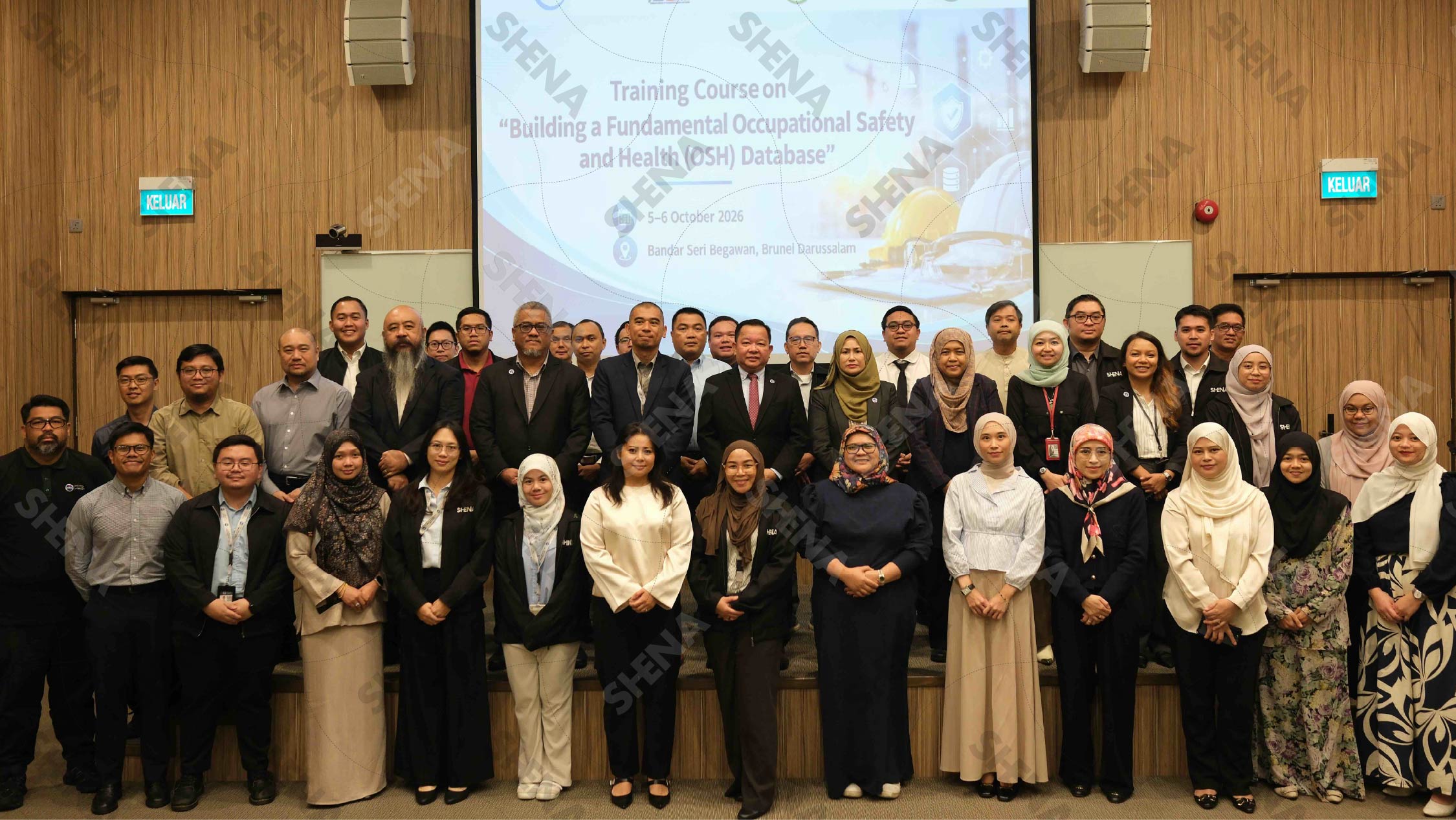
Bandar Seri Begawan, 6 October 2026 – The Safety, Health and Environment National Authority (SHENA), in collaboration with the Statistical, Economic and Social Research and Training Centre for Islamic Countries (SESRIC), successfully conducted a two-day training course entitled “Building a Fundamental Occupational Safety and Health (OSH) Database” on 5 and 6 October 2026. The course was delivered with technical support from the National Institute of Occupational Safety and Health (NIOSH), Malaysia.
The training formed part of SHENA’s ongoing efforts to strengthen national capabilities in the collection, management, validation, analysis, and reporting of OSH data. By enhancing these competencies, the programme aims to support evidence-based decision-making and the development of more effective workplace safety and health interventions.
In his opening remarks, Yang Mulia Haji Muhsin bin Haji Ahmad, Chief Executive Officer, SHENA, highlighted the critical role of reliable data in identifying workplace risks, recognising emerging trends and informing preventive measures. He also emphasised the importance of collaboration among government agencies, employers, workers and other stakeholders in strengthening coordination and improving the effective use of OSH data.
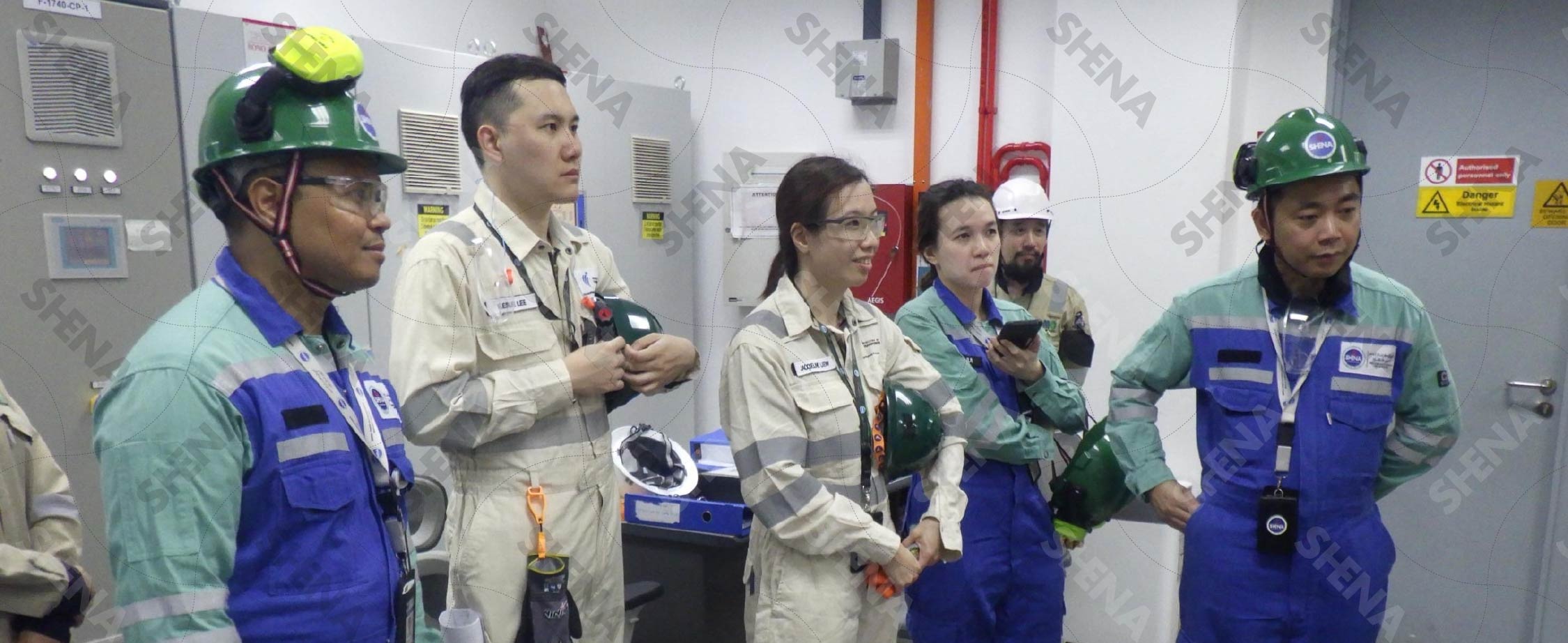
The programme brought together representatives from government agencies, employers’ and workers’ groups, as well as other relevant stakeholders. Participants were introduced to key concepts in occupational safety and health statistics, data validation and quality assurance, data analysis and interpretation, and reporting and benchmarking. Practical exercises and case studies provided participants with opportunities to apply these concepts to real-world workplace safety and health scenarios.
In addition, participants explored approaches to improving the consistency, quality, and reliability of OSH data, including the concept of a “single source of truth”. Discussions also highlighted the importance of adopting a consistent approach to data collection, aligning national practices with international statistical standards, and strengthening transparency and accountability in OSH reporting.
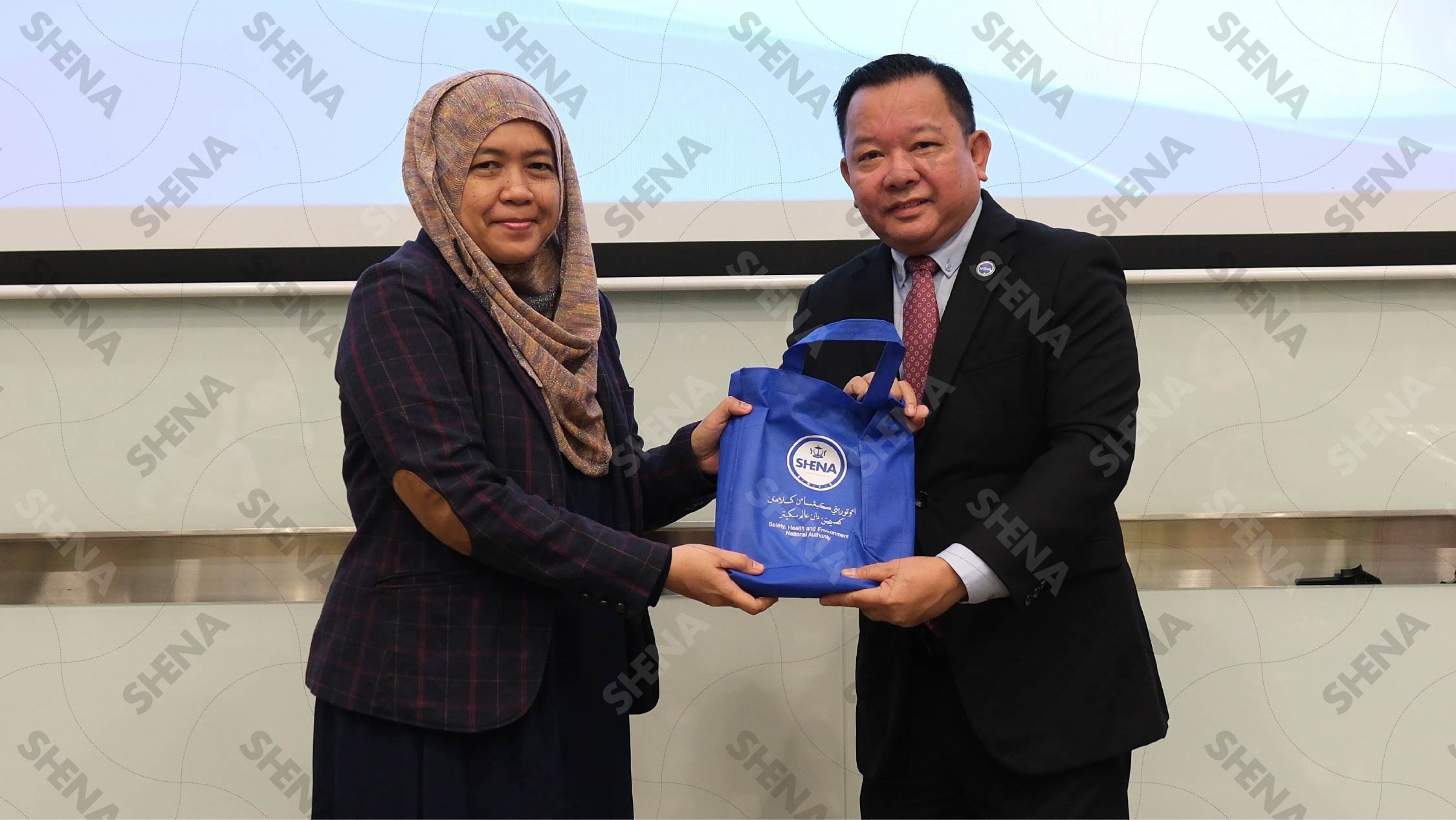
In her closing remarks, Yang Mulia Salmaya Rahayu binti Salleh, Director of the Strategy and Communications Division, SHENA, encouraged participants to apply the knowledge gained within their respective organisations and to continue sharing experiences and good practices to advance workplace and health outcomes.
Through this collaboration with SESRIC and NIOSH Malaysia, SHENA continues to strengthen the use of reliable OSH data as a foundation for effective prevention strategies and informed policymaking. Supported by sustained cooperation among stakeholders, these efforts contribute to safer and healthier workplaces and reinforce SHENA’s commitment to ensuring that Brunei Darussalam remains a safe place to work and live.